Introduction
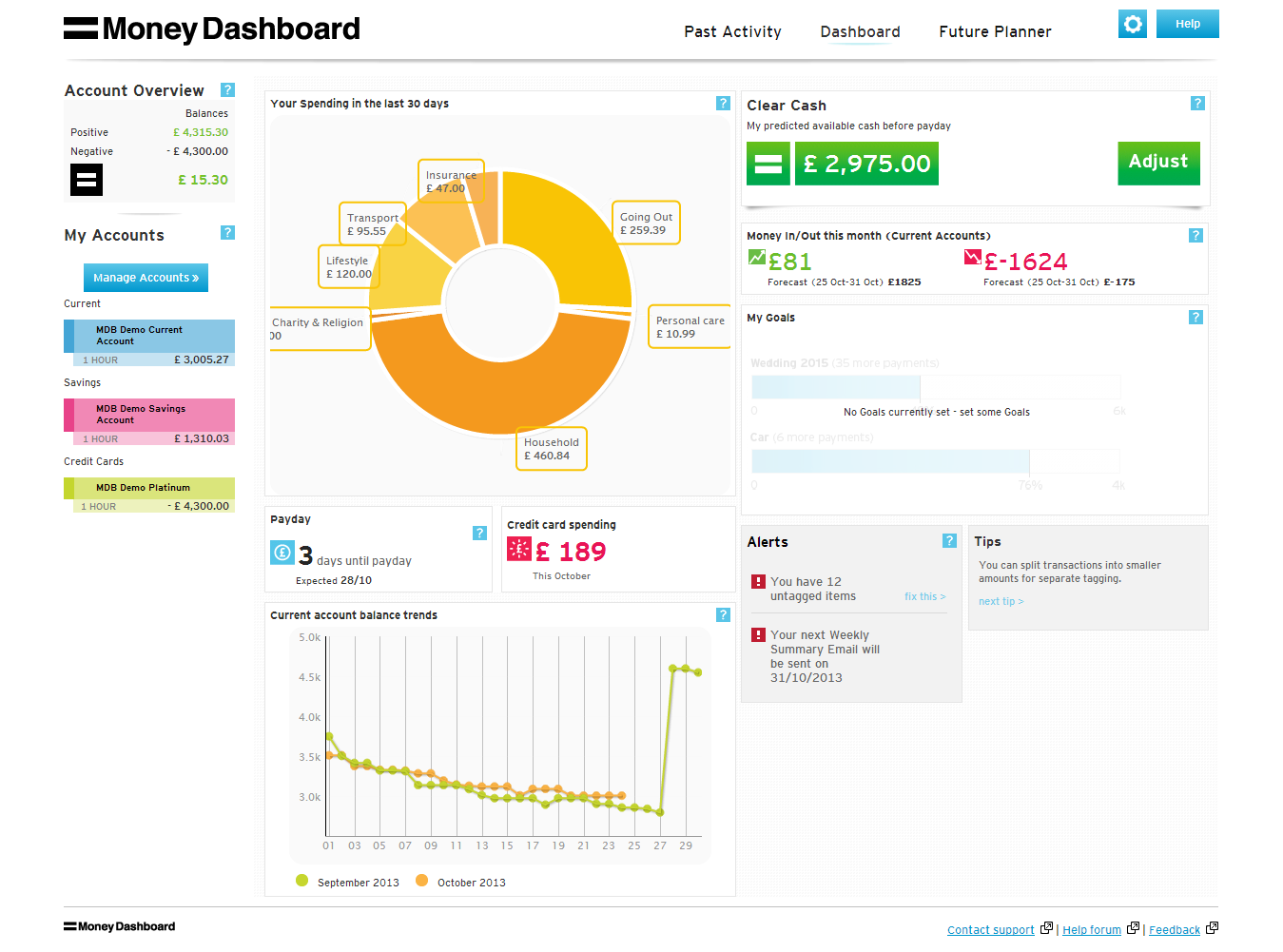
Personal wealth management was once reserved for high-net-worth individuals working with private advisors. In 2026, that model has changed dramatically. Digital finance tools now give everyday users access to budgeting, investing, saving, and portfolio tracking—all from a smartphone.
From neobanks and investment platforms to crypto wallets and automated savings tools, digital finance is reshaping how people manage money globally. This article explains how digital finance is changing personal wealth management in 2026 and what it means for individuals at different stages of their financial journey.
At financetop10.com, we believe financial empowerment begins with understanding how modern tools work together.
What Is Digital Wealth Management?
Digital wealth management refers to using:
- Mobile apps
- Online platforms
- Automated tools
- Data analytics
to manage savings, investments, spending, and long-term financial goals without relying entirely on human advisors.
Key Drivers of Change in 2026
1. Automation and Smart Tools
Automation now handles tasks such as:
- Budget tracking
- Recurring investments
- Savings goals
- Expense categorization
This reduces human error and improves consistency.
2. Artificial Intelligence and Insights
AI-driven systems analyze user behavior to:
- Identify spending patterns
- Suggest savings strategies
- Optimize portfolios
Instead of static advice, users receive dynamic, personalized recommendations.
3. Lower Barriers to Entry
In 2026, users can:
- Start investing with small amounts
- Access global markets
- Use tools previously limited to professionals
Digital platforms democratize financial management.
How Neobanks Fit Into Wealth Management
Neobanks play a foundational role by:
- Centralizing financial data
- Offering real-time transaction insights
- Automating savings rules
They act as the financial “hub” connecting spending, saving, and investing.
Integration of Investing and Saving
Modern platforms combine:
- High-yield savings
- Stock investing
- ETF portfolios
- Crypto exposure
This allows users to view their entire financial picture in one place.
Global Access and Borderless Finance
Digital finance removes geographic limitations:
- Multi-currency accounts
- International investing
- Global crypto access
This is especially valuable for remote workers, freelancers, and international users.
Risks and Responsibilities for Users
While tools are powerful, users must:
- Understand platform risks
- Avoid over-reliance on automation
- Protect personal data
Digital finance empowers users—but also requires basic financial literacy.
Who Benefits Most From Digital Wealth Management?
Digital wealth tools are ideal for:
- Young professionals
- Beginners building financial habits
- Tech-savvy users
- Self-directed investors
However, traditional advisors still serve complex financial needs.
The Future of Personal Wealth Management
Looking ahead, digital finance will:
- Become more predictive
- Offer deeper personalization
- Integrate identity, payments, and investing
Wealth management will continue shifting from advisory-led to user-controlled ecosystems.
Final Thoughts
In 2026, managing wealth no longer requires large balances or exclusive access. Digital finance tools give individuals unprecedented control, visibility, and flexibility over their money.
At financetop10.com, we view digital wealth management as a powerful equalizer—when used wisely.
FAQ Section
Is digital wealth management safe?
Yes, when using reputable and regulated platforms.
Do I still need a financial advisor?
For complex needs, yes. For everyday management, digital tools are often sufficient.
Can beginners use these tools?
Absolutely—many are designed specifically for beginners.


