Introduction
Choosing the right bank in 2026 is no longer straightforward. With the rise of neobanks, consumers now face a clear choice between digital-first banking and traditional branch-based institutions.
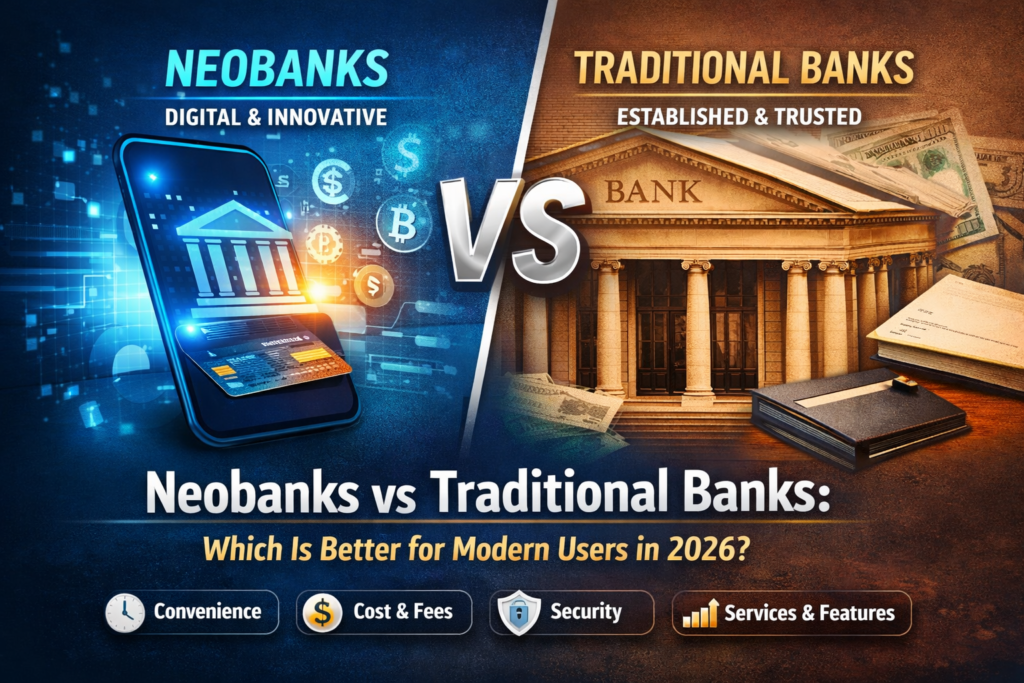
In this article, we explore neobanks vs traditional banks 2026, providing a practical comparison to help modern users make informed financial decisions. Both models serve important roles, but which is better for daily banking, long-term investments, and complex financial needs? Read on to understand the strengths, weaknesses, and best strategy for using neobanks and traditional banks in 2026.
Understanding the Core Differences
What Traditional Banks Offer
Traditional banks operate through:
- Physical branches
- In-person customer service
- Long-established financial systems
They typically offer a wide range of services including mortgages, loans, and wealth management. In the debate of neobanks vs traditional banks 2026, traditional banks remain strong in trust, regulatory compliance, and personalized advisory services.
What Neobanks Offer
Neobanks focus on:
- Mobile-first banking
- Speed and convenience
- Lower costs
- Digital tools
They are designed for users who prefer managing finances independently and digitally. In 2026, neobanks vs traditional banks comparisons highlight how neobanks excel in accessibility, innovation, and cost efficiency.
Key Comparison Factors for Modern Users
1. Convenience and Accessibility
Neobanks operate 24/7. There are no branch hours, and all services are accessible through apps.
Traditional banks still rely on limited business hours, although online services have improved.
Winner: Neobanks
2. Fees and Cost Structure
Neobanks typically offer:
- No monthly maintenance fees
- Free card usage
- Competitive exchange rates
Traditional banks often charge fees for:
- Account maintenance
- International transfers
- ATM usage
Winner: Neobanks
3. Customer Support Experience
Traditional banks provide:
- Face-to-face support
- Dedicated advisors
Neobanks rely on:
- In-app chat
- Email support
- AI-driven help centers
Winner: Depends on preference
4. Security and Regulation
Both models use:
- Encryption
- Fraud detection systems
- Regulatory compliance
Traditional banks benefit from long-standing trust, while neobanks invest heavily in cybersecurity innovation.
Winner: Tie
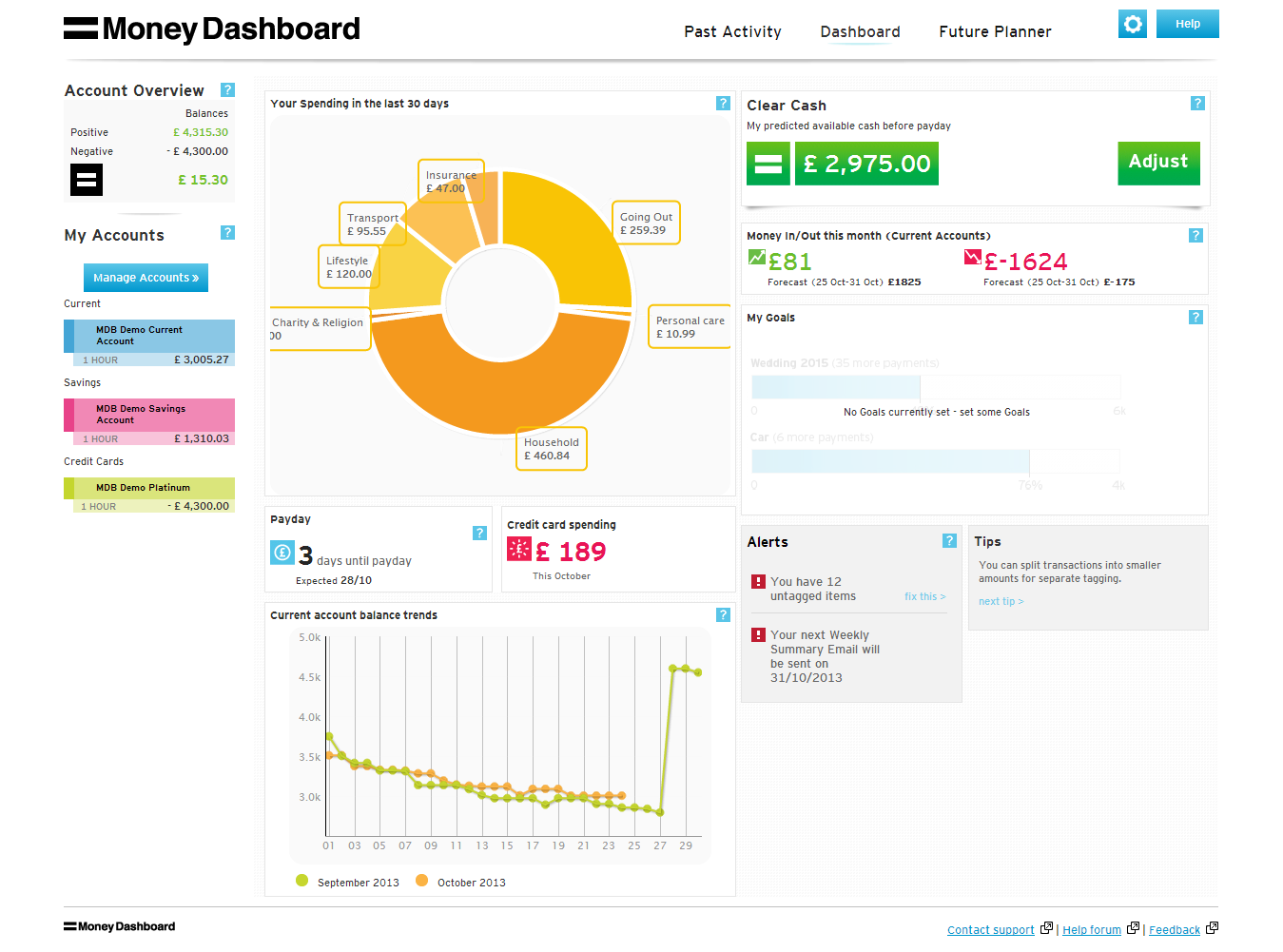
5. Financial Tools and Insights
Neobanks excel at:
- Spending analytics
- Budget automation
- Instant alerts
Traditional banks offer fewer real-time insights.
Winner: Neobanks
Which Option Is Best for Different Users?
Best for Digital-Native Users
Neobanks are ideal for:
- Freelancers
- Remote workers
- Travelers
- Young professionals
Best for Complex Financial Needs
Traditional banks remain better for:
- Mortgages
- Large business loans
- In-person advisory services
Best Strategy in 2026: Hybrid Banking
Many modern users combine:
- A neobank for daily expenses
- A traditional bank for long-term financial products
This hybrid approach maximizes benefits from both systems, showing how neobanks vs traditional banks is not always an either/or choice.
Global Trends Influencing Banking Choices
In 2026, global trends such as:
- Remote work
- Cross-border payments
- Digital currencies
- Embedded finance
are pushing users toward flexible, digital solutions—favoring neobanks for everyday banking.
Final Verdict
There is no one-size-fits-all answer. The better option depends on how you manage money, travel, work, and invest.
Neobanks offer speed, affordability, and innovation. Traditional banks provide stability and comprehensive services. Smart users understand both—and use them strategically.
At financetop10.com, we believe understanding these differences is key to making smarter financial decisions in a rapidly evolving world and mastering the neobanks vs traditional banks 2026 debate.
FAQ Section
Can I rely only on a neobank in 2026?
Yes, for daily banking. However, complex services may still require traditional banks.
Are traditional banks becoming obsolete?
No, but they are adapting due to competition from neobanks.
Is hybrid banking safe?
Yes, many users safely manage multiple accounts across platforms.
What is the difference between neobanks and traditional banks in 2026? The main difference in 2026 is that neobanks focus on digital-first, mobile banking with low fees and instant tools, while traditional banks provide in-person services, long-standing trust, and a full range of financial products. Understanding neobanks vs traditional banks 2026 helps users choose what fits their lifestyle.